
The recent enforcement action by the Dutch Gambling Authority (Kansspelautoriteit) against EOD Code SRL, the operator behind Instantcasino, has sent shockwaves through the international crypto gambling sector. With a staggering fine of €37.25 million levied for offering unlicensed gambling, including the acceptance of cryptocurrency deposits, this landmark case serves as a stark and expensive warning to all operators navigating the complex intersection of digital assets and regulated markets. It underscores a global regulatory trend where authorities are no longer viewing crypto transactions as an opaque veil but as a central point of compliance scrutiny. For players and operators alike, the message is clear: the perceived anonymity and borderless nature of cryptocurrencies do not exempt anyone from the stringent requirements of national gambling laws.
The Anatomy of a Multi-Million Euro Penalty
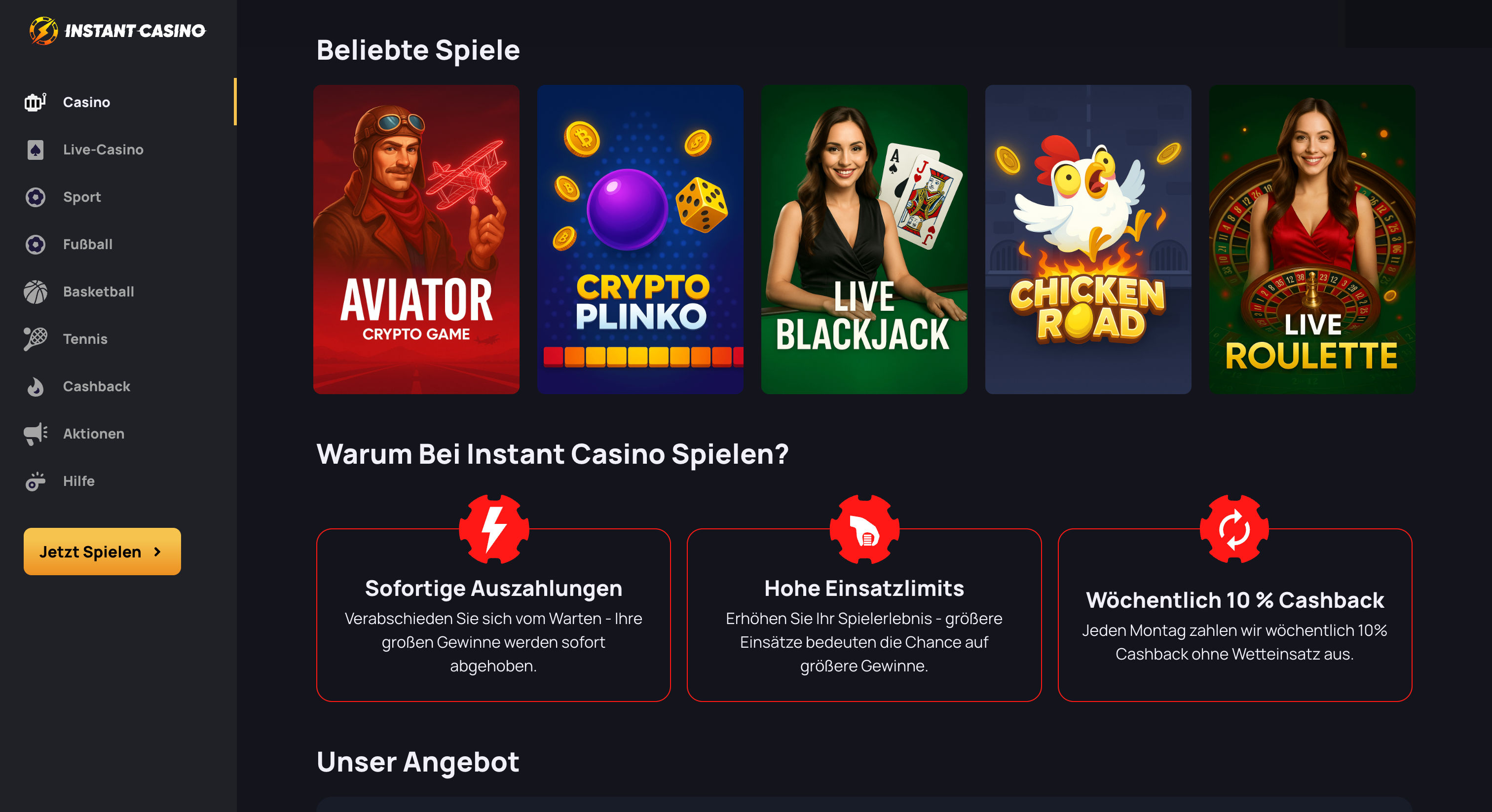
The Dutch Gambling Authority’s investigation into EOD Code SRL revealed a clear and persistent violation of the Netherlands’ Remote Gambling Act. Despite the Dutch market having opened for licensed online gambling, Instantcasino was found to be actively targeting Dutch players without holding the necessary license. A critical element of the violation was the platform’s acceptance of cryptocurrency deposits, including Bitcoin and Ethereum, alongside traditional payment methods. This allowed Dutch residents to fund accounts and engage in a wide array of casino games, from popular slots like Gates of Olympus by Pragmatic Play and Sweet Bonanza to classic table games such as blackjack and roulette, all without the consumer protections mandated under Dutch law. The Authority emphasized that the use of cryptocurrencies did not obscure the operator’s responsibility; the fine was calculated based on the company’s estimated earnings from the Dutch market, reflecting the serious financial consequences of non-compliance.
Why Cryptocurrency Complicates Compliance
Operators often perceive cryptocurrencies as a tool to bypass traditional financial gateways and jurisdictional boundaries. Platforms might integrate wallets from providers like MetaMask or Trust Wallet, facilitating deposits that are faster and, in their view, less traceable than bank transfers or credit card payments. However, regulators like the Kansspelautoriteit are increasingly sophisticated in tracking digital asset flows and on-chain activity. They employ blockchain analysis tools to identify wallet clusters associated with illegal gambling operations, making the argument of “crypto anonymity” largely obsolete in the face of determined regulatory oversight.
The Player Protection Deficit in Unlicensed Crypto Play
When players engage with unlicensed crypto casinos like Instantcasino was found to be, they forfeit crucial safeguards. Licensed operators in jurisdictions like the Netherlands, Malta (MGA), or Curacao are required to implement strict age verification, adhere to fair gaming standards certified by auditors like eCOGRA, and offer tools for deposit limits and self-exclusion. Unlicensed sites operate outside this framework. A player experiencing a dispute over a withdrawal of their Tether (USDT) winnings or encountering a potentially unfair outcome in a live dealer game from Evolution Gaming has little to no recourse. The €37.25 million fine highlights the financial scale of an operation that exposed players to these very risks.
Actionable Compliance Strategies for Crypto Operators
For crypto gambling brands looking to operate sustainably in the global market, the Instantcasino case provides critical lessons. The first and most non-negotiable step is obtaining the proper license for any targeted jurisdiction. This means conducting thorough geo-compliance checks using advanced tools to ensure players from restricted territories, like the Netherlands, cannot access services. Simply displaying a disclaimer is insufficient, as evidenced by this fine. Secondly, operators must implement robust Know Your Customer (KYC) and Anti-Money Laundering (AML) procedures specifically designed for cryptocurrency. This involves not just collecting identification at withdrawal, but also screening transactions against blacklisted wallets and monitoring for suspicious patterns, much as traditional financial institutions do.
Choosing Jurisdictions and Partner Providers Wisely
Selecting a licensing jurisdiction is a foundational decision. While some opt for the established framework of the Malta Gaming Authority (MGA) which has specific provisions for crypto, others might consider newer regimes that are explicitly crypto-friendly. Crucially, partnering with payment processors and game providers that themselves prioritize compliance is essential. Integrating games from top-tier providers like NetEnt, Play’n GO, or Yggdrasil, which often require operators to hold valid licenses, can be part of a compliant ecosystem. Furthermore, using regulated crypto-to-fiat gateways that perform their own checks adds an additional layer of compliance.
Transparency as a Core Business Principle
In a sector often clouded by mistrust, transparency becomes a competitive advantage. Operators should clearly display their licensing information, the ownership of the company, and the provably fair certificates for their games. Providing detailed and accessible terms and conditions, especially regarding cryptocurrency transactions, bonus wagering, and dispute resolution, builds trust. Engaging with independent auditing bodies to verify the integrity of smart contracts or in-house developed crypto games can further demonstrate a commitment to fair play, setting a licensed operator apart from the shadow of unlicensed entities.
The International Regulatory Landscape Intensifies
The Dutch action is not an isolated incident but part of a coordinated international crackdown. Regulatory bodies in the United Kingdom, Sweden, and Germany have also issued warnings and penalties to unlicensed operators, including those accepting cryptocurrencies. The focus is shifting from seeing crypto as a niche payment method to treating it as a central component of the gambling offering, subject to the same stringent rules. This trend is evident in markets like Ontario, Canada, where the regulated iGaming market explicitly allows licensed operators to offer cryptocurrency deposits and withdrawals, but within a tightly controlled framework. The dichotomy is clear: crypto gambling can exist legally, but only under the full umbrella of regulatory supervision.
Implications for Players and the Market
For the international player, this regulatory fervor is ultimately beneficial. It pushes the market towards licensed, safer operators who can offer popular tournaments, like those for slot games Starburst or Bonanza, with guaranteed prize pools and fair competition. It reduces the prevalence of “rogue casinos” that might manipulate game outcomes or refuse withdrawals. However, it also places a responsibility on players to verify the license of any platform they use, regardless of whether they deposit with Bitcoin, Litecoin, or Euros. Checking for a valid license number on a site’s footer and cross-referencing it on the regulator’s official website is a fundamental safety step.
Navigating the Future of Crypto Gambling
The path forward for crypto gambling is one of integration, not isolation. The industry’s future lies in embracing regulation rather than attempting to evade it. This means developing technical solutions that satisfy both the immutable nature of blockchain and the flexible requirements of regulators for player protection and financial oversight. We may see the rise of more licensed operators leveraging blockchain for transparency—publishing payout percentages on-chain or using smart contracts for instant, verifiable payouts—while fully complying with jurisdictional laws. The record fine for Instantcasino and EOD Code SRL is a costly mile marker on this journey, signaling that the era of unregulated crypto gambling is rapidly closing.
As the landscape evolves, the paramount importance of responsible gambling remains constant. Always set strict deposit and loss limits before you start playing, whether using traditional currency or cryptocurrency. Never chase losses, and remember that gambling should be viewed as a form of entertainment, not a source of income. If you feel your gambling is becoming a problem, seek help immediately from organizations like Gamblers Anonymous or Gambling Therapy, which offer confidential international support. The thrill of the game, from the strategic depth of a poker tournament to the visual spectacle of a Megaways slot, should always be enjoyed within the bounds of safety and control.
