The landscape of crypto gambling has undergone a seismic shift in recent years. While the allure of betting with Bitcoin or Ethereum remains, a new dominant force has emerged to reshape the very foundation of online wagering: the stablecoin. Today, navigating the world of crypto casinos, from the immersive live dealer tables of Evolution Gaming to the high-volatility slots from Pragmatic Play, increasingly involves transactions denominated in USDT and USDC. These dollar-pegged digital currencies have moved from a niche option to the backbone of the industry, with data indicating that stablecoins now represent a staggering 75% of global crypto casino wagering volume. This profound change is not accidental but a strategic response by both operators and players to the twin challenges of market volatility and a tightening regulatory environment, creating a new paradigm for secure and predictable gambling on the blockchain.
The Volatility Problem and the Stablecoin Solution
In the early days of crypto gambling, the experience was intrinsically tied to the wild price swings of native cryptocurrencies. A player like Marcus from Germany might deposit 0.1 Bitcoin to play NetEnt’s Starburst, only to find that the value of his casino balance had dropped significantly by the time he finished his session, irrespective of his wins or losses on the game itself. This created a layer of financial risk completely separate from the game’s odds. The inverse was also true; a player could win big in terms of coin quantity but see the fiat value evaporate during a market downturn before they could withdraw. This volatility acted as a significant barrier to entry for more conservative gamblers and complicated bankroll management for even the most seasoned players. The introduction and subsequent adoption of stablecoins, primarily Tether (USDT) and USD Coin (USDC), provided an elegant solution. By pegging their value to a reserve of assets, most commonly the US dollar, these digital tokens offer the speed, transparency, and borderless nature of cryptocurrency without the drastic price fluctuations. When a player like Anya from Canada deposits 100 USDC into her favorite casino to try the latest Bonanza Megaways tournament, she knows that 100 USDC will remain worth approximately 100 US dollars for the duration of her play, allowing her to focus purely on the game.
Strategic Bankroll Management with Stable Values
For the serious gambler, bankroll management is a cornerstone of longevity. The predictability of stablecoins transforms this practice. Players can now set strict deposit limits in a dollar-equivalent value and track their wins and losses with clarity, without needing to constantly check the BTC/USD exchange rate. This stability is particularly crucial for participants in large poker tournaments on platforms like CoinPoker or for those engaging in high-stakes betting on esports events such as the League of Legends World Championship, where prize pools are often calculated in fiat values. Using USDT or USDC, a player can precisely calculate their risk per hand or per bet as a stable fiat amount, a level of precision that was nearly impossible with volatile crypto assets.
Regulatory Tailwinds and Institutional Scrutiny
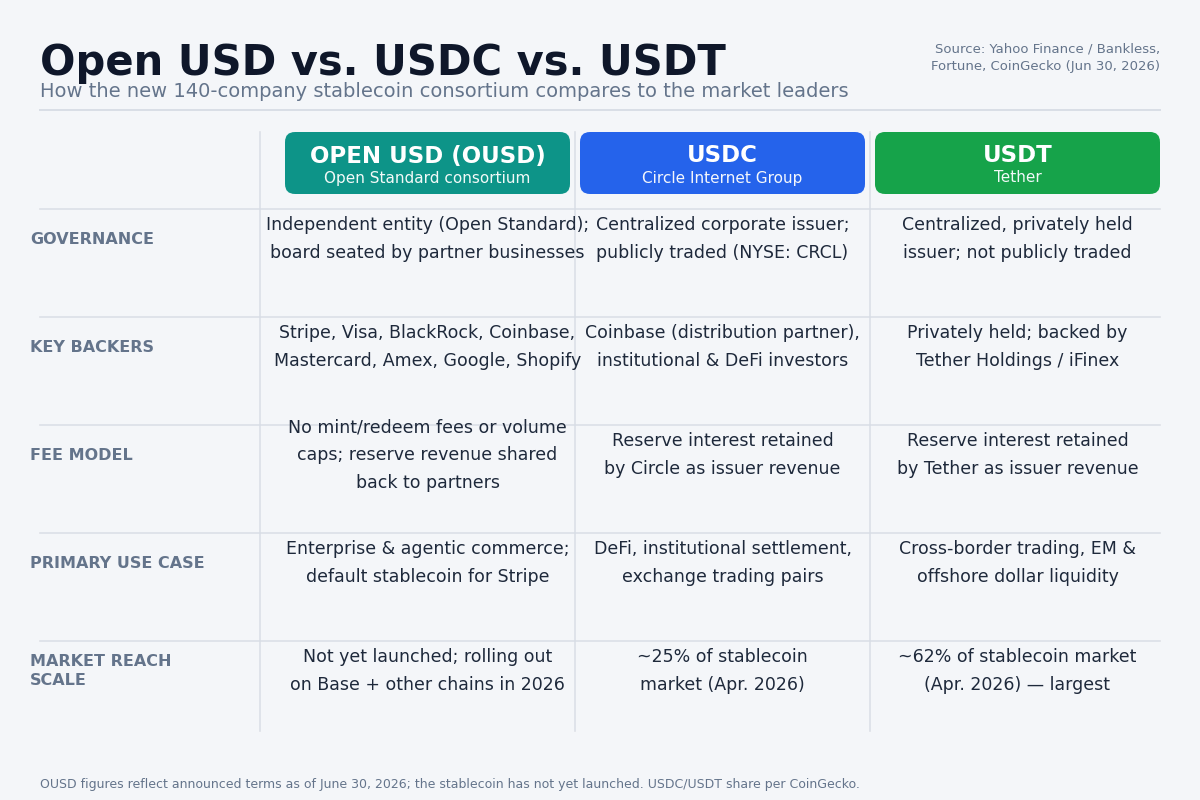
The regulatory environment surrounding cryptocurrency and online gambling is evolving rapidly across international jurisdictions. Regulators in markets like the UK, Malta, and Curacao are increasingly demanding greater transparency in financial transactions, including the source of funds and the auditing of operator reserves. Stablecoins, particularly those like USDC which are issued by regulated entities like Circle, offer a more auditable and compliant framework. Casinos licensed in these jurisdictions find it easier to integrate stablecoins as they can provide clearer proof of liquidity and solvency. Furthermore, as traditional payment processors and financial institutions remain wary of direct involvement with volatile cryptocurrencies, stablecoins present a more palatable on-ramp and off-ramp. This regulatory pressure has accelerated the shift, with many top-tier casinos now prioritizing USDT and USDC integrations over adding new volatile tokens. For the player, this often translates to faster withdrawal times for stablecoins, as transactions require fewer confirmations and are less likely to be flagged by compliance systems compared to their volatile counterparts.
The On-Chain Transparency Advantage
Another strategic advantage lies in the inherent transparency of blockchain transactions. When a casino operates with USDT on the Ethereum network, for instance, players can independently verify the flow of funds. A gambler can see that the casino’s hot wallet holds sufficient USDC reserves to cover player balances, a form of proof-of-solvency that builds trust. This transparency is a powerful tool in an industry where trust is paramount. It allows communities on platforms like Reddit or dedicated gambling forums to collectively audit an operator’s behavior, discussing transaction hashes and wallet addresses to confirm the legitimacy of payouts, a level of scrutiny that is impossible with traditional fiat payment methods.
USDT vs. USDC: The Duopoly in Detail
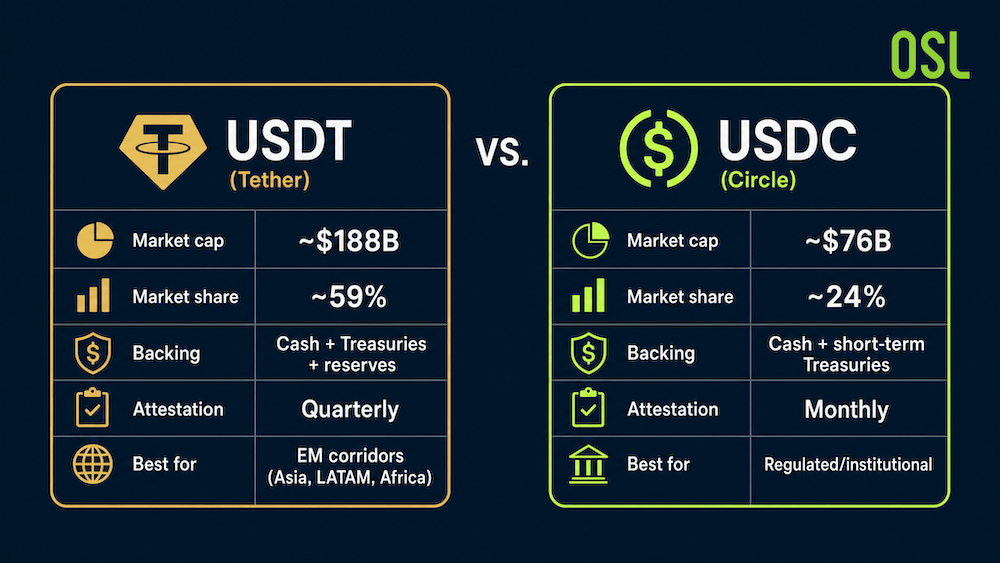
The dominance of stablecoin wagering is overwhelmingly a story of two giants: Tether (USDT) and USD Coin (USDC). While they both serve the same core function, subtle differences influence their adoption. USDT, issued by Tether Limited, boasts the highest market capitalization and is the most widely integrated stablecoin across crypto casinos, from established brands like Stake.com to newer entrants. Its prevalence on multiple blockchains, including Ethereum, Tron, and Solana, offers players flexibility in choosing networks with lower gas fees. However, USDT has faced historical scrutiny over the composition of its reserves. USDC, issued by Circle and Coinbase, has positioned itself as the “regulated” alternative, with monthly attestations of its fully reserved backing. This has made it particularly attractive to casinos operating under strict licenses and to players who prioritize regulatory compliance. In practice, many savvy players maintain balances in both, using USDT for its unparalleled liquidity across all casino verticals—be it live baccarat from Ezugi or sports betting on the Premier League—and USDC for larger withdrawals where the assurance of its backing is paramount.
Actionable Strategies for the Stablecoin Bettor
Adopting a stablecoin strategy requires more than just depositing USDT. First, players should carefully select their network. Depositing USDT on the Tron network, for instance, typically incurs far lower transaction fees than on the Ethereum network, preserving more of your bankroll for actual play. Second, it is wise to diversify stablecoin holdings. Keeping the majority of your gambling funds in USDC for its perceived stability and using USDT for day-to-day casino action can be a prudent approach. Third, always verify the receiving address and network. Sending ERC-20 USDT to a TRC-20 USDT address will result in a permanent loss of funds. Fourth, take advantage of the stability to set hard limits. Decide that your gambling session budget is, for example, 200 USDC, and treat that as a firm cash budget, using the stable value to enforce discipline that volatile crypto might undermine. Finally, monitor the casino’s supported currencies for specific promotions; some sites offer enhanced bonuses or cashback specifically for deposits made in USDT or USDC.
The Future of Wagering is Stable
The trajectory is clear: stablecoins are not a passing trend but the new infrastructure of crypto gambling. Their dominance is reshaping game design, with developers like Play’n GO and Yggdrasil potentially considering in-game economies pegged to stable values. Furthermore, the rise of decentralized gambling platforms, or “degen casinos,” on networks like Polygon and Solana also heavily relies on stablecoins for their betting pools and smart contract payouts. As central bank digital currencies (CBDCs) loom on the horizon, the bridge between traditional finance and crypto gambling will likely be built upon the foundation laid by USDT and USDC. For the international gambler, this shift means a more professional, predictable, and accessible environment. The chaos of wild crypto swings is being replaced by the calculated risk of the game itself, which is, after all, where the true thrill of gambling has always resided.
Gambling, whether with cryptocurrency or traditional currency, carries inherent risks. It is crucial to gamble responsibly by setting strict deposit and loss limits before you begin playing and treating it solely as a form of entertainment, not a source of income. Never chase losses, and ensure that gambling does not interfere with your daily responsibilities or financial stability. If you feel you may be developing a problem, seek help immediately from organizations such as GamCare or Gamblers Anonymous.
